Blog

How Roof Pitch Impacts Performance, Drainage, and Material Choices

Understanding roof pitch is essential to making informed decisions that align with Maine’s weather conditions and your home’s architectural needs.

Understanding roof pitch is essential to making informed decisions that align with Maine’s weather conditions and your home’s architectural needs.

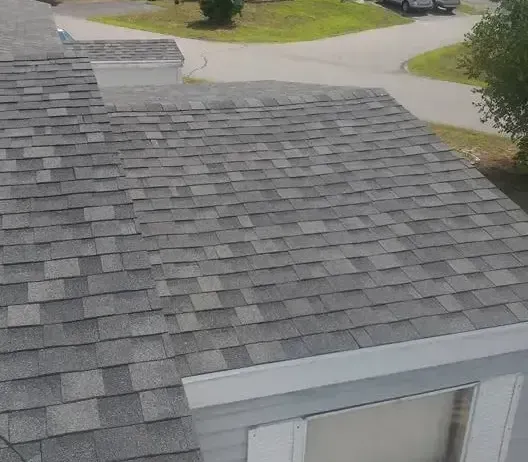
When planning a roofing project, most homeowners focus on material, color, or ventilation—but few give enough attention to roof pitch. However, the angle of your roof plays a significant role in its long-term performance, how it handles water and snow, and which materials are best suited for your home. Understanding roof pitch is essential to making informed decisions that align with Maine’s weather conditions and your home’s architectural needs.

What Is Roof Pitch?

Roof pitch refers to the steepness or slope of your roof. It’s typically expressed as a ratio that compares the vertical rise to the horizontal span—for example, a 6:12 pitch rises six inches for every twelve inches of horizontal run. Roof pitch can range from nearly flat to extremely steep, and each variation brings different structural and functional considerations.

In regions like Maine, where winters can be harsh and snowfall significant, the right pitch can dramatically affect a roof’s ability to perform efficiently and safely over time.

Performance Implications of Roof Pitch

A steeper pitch allows water, snow, and debris to run off more quickly, reducing the risk of pooling or structural strain. This helps to prevent leaks, ice dams, and premature wear—problems commonly found on roofs with lower pitches.

On the other hand, flat or low-slope roofs are more vulnerable to drainage issues and require meticulous waterproofing to ensure durability. While low-pitch roofs may work well for modern architectural designs, they demand more maintenance and may have a shorter lifespan if not properly installed.

Drainage and Moisture Management

In a climate like Maine’s, roof pitch directly correlates with drainage effectiveness. Steep roofs are naturally better at shedding water and snow, which reduces the likelihood of moisture infiltration. Proper drainage is crucial for preventing mold, mildew, and rot—issues that can lead to expensive repairs or even full roof replacements.

Low-pitch roofs, while not inherently flawed, require added precautions. These roofs benefit from built-in drainage systems, high-quality waterproof membranes, and routine inspections to catch problems early. Whether you're working with a high or low pitch, the key is understanding how drainage performance changes and adapting your roofing strategy accordingly.

Choosing the Right Material for Your Roof Pitch

Not all roofing materials are suitable for every type of pitch. The steeper the roof, the more options you have when it comes to materials. Asphalt shingles, wood shakes, slate, and metal panels are excellent choices for moderate to steep pitches. These materials rely on gravity to assist in shedding water, which enhances their performance on pitched roofs.

For low-slope or flat roofs, traditional shingles are generally not recommended. Instead, materials like rolled roofing, EPDM rubber, TPO, or PVC membranes are designed to provide a watertight seal, compensating for the lack of slope. These materials are engineered to manage water through adhesion and proper sealing rather than drainage by gravity alone.

Choosing the wrong material for your roof pitch can lead to issues such as pooling, seepage, or early degradation, so it’s important to consult with a qualified contractor like Freeman & Son Construction to ensure your material selection matches your roof’s slope.

Roof Pitch and Aesthetic Considerations

While function is key, roof pitch also affects your home's appearance. A steeper roof can add dramatic height and dimension, often complementing traditional or colonial styles. A low-pitch or flat roof, on the other hand, is ideal for modern or minimalist aesthetics. The choice should strike a balance between the architectural style of your home, your performance needs, and what’s suitable for the local climate.

Ready to assess your roof? Contact us at Freeman & Son Construction for expert guidance tailored to your home and Maine’s unique weather conditions.
Recommended Posts

See how you can extend the longevity of your roof.

Year-Round Roofing Maintenance Tips for Maine Homeowners

See how you can extend the longevity of your roof. Maine’s rugged seasons can take a serious toll on your roof. From heavy snow and ice in the winter to wet springs and hot, humid summers, your roof is your home’s first line of defense. Regular maintenance can extend the life of your roof, help you avoid costly repairs, and give you peace of mind—no matter what the weather brings. Inspect Your Roof Twice a Year We recommend inspecting your roof in the spring and fall. Look for missing or curled shingles, signs of moss or algae, cracked flashing, and damage around chimneys or skylights. Binoculars from the ground or a professional inspection can safely get the job done. Keep Gutters Clean Clogged gutters can lead to water backup and ice dams—common culprits behind roof leaks in Maine. Clean your gutters at least twice a year and after major storms. Make sure downspouts are clear and draining away from your foundation. Trim Overhanging Branches Trees close to your roof can cause damage in high winds or from falling limbs. They also contribute to moss and debris buildup. Keeping branches trimmed back not only protects your roof but also helps prevent animal access. Watch for Ice Dams in Winter Maine winters are no joke. Ice dams form when heat escapes from your attic, melting snow that then refreezes at the eaves. This can force water under your shingles. Proper attic insulation and ventilation are key in preventing this common problem. Schedule Professional Inspections and Repairs Even a small issue can lead to big problems if ignored. If you're unsure about your roof's condition—or spot any signs of trouble—contact a local roofing professional. Annual inspections can catch minor damage before it turns into a major repair. At , we know Maine roofs. Whether you need a routine inspection, seasonal maintenance, or emergency repairs, our team is here to help protect your investment year-round. Contact us today for a free roof assessment and keep your home safe, dry, and energy-efficient in every season.

Thinking about selling your home? A new roof might be the key to attracting buyers and boosting your resale value.

How a New Roof Can Increase Your Home's Resale Value

Thinking about selling your home? A new roof might be the key to attracting buyers and boosting your resale value. Beyond curb appeal, it offers peace of mind, energy savings, and a competitive edge in today’s real estate market. First Impressions Matter More Than You Think When a potential buyer pulls up to your home, their eyes naturally drift upward. The roof, often overlooked by homeowners, becomes one of the first details buyers notice. A roof that’s aged, curling, or visibly damaged doesn’t just suggest expensive future repairs—it sends a message that the home hasn’t been properly maintained. On the other hand, a clean, sturdy, and recently replaced roof creates instant confidence. It subtly tells buyers, “This home has been cared for.” That first impression can be the difference between a quick sale and months on the market. Boosting Market Value with Better Materials Not all roofs are created equal. The type of materials you choose can make a difference in resale value. Asphalt shingles are cost-effective and widely accepted, but upgrading to architectural shingles or even metal roofing can help your home stand out. These materials not only offer longer lifespans and better weather resistance but also add depth and texture to your home’s overall look. In many regions, buyers are willing to pay a premium for durable, low-maintenance roofing. Energy Efficiency Sells Today’s buyers are more energy-conscious than ever. Many modern roofing systems include materials and ventilation techniques that reduce heat transfer, which can help regulate indoor temperatures and lower utility bills. A roof with adequate insulation or UV reflection is not only a comfort addition, but also a selling point. Homeowners are offering more than just a place to live when they can showcase energy-efficient upgrades; they are also promising reduced long-term expenses. In the resale game, that’s a major win. Peace of Mind for the Buyer Replacing a roof is one of the biggest expenses a homeowner can face. So, when buyers see a brand-new roof, they breathe a little easier. That peace of mind, knowing they won’t have to deal with leaks, missing shingles, or moldy attic insulation anytime soon, is a huge incentive. It also means fewer issues during the home inspection process, which is often where deals start to fall apart. A new roof can remove one of the biggest red flags before it even has a chance to be raised. Curb Appeal and Competitive Edge Curb appeal isn’t just about flowers, paint, or landscaping. A roof that complements the style and color of the home brings it all together. Clean lines, matching trim, and updated materials give your home a polished look that photographs beautifully, an increasingly important factor in today’s online-first real estate world. With buyers scanning dozens of listings in minutes, standing out visually can mean more foot traffic, more offers, and possibly, a bidding war. A new roof can tip the scales in your favor. Return on Investment The National Association of Realtors consistently lists roofing replacement as one of the top home improvements for return on investment. In many cases, sellers recoup 60% to 70% of the cost, and sometimes more, depending on the local market. But the value goes beyond the dollar amount. A home that sells quickly, with fewer negotiations over repairs, and at or above asking price offers a return in time, energy, and peace of mind. How Freeman & Son Construction Can Help If you're considering selling in the near future, replacing your roof could be the smartest move you make. At Freeman & Son Construction, we understand Maine’s climate, housing market, and the long-term value of a well-built roof. Our team uses top-quality materials and proven installation techniques to make sure your new roof isn’t just an upgrade, but an investment. Whether you're prepping your home for market or simply want to protect its value, we’re here to help you make the most of it. Ready to raise your home’s value? Schedule a consultation at Freeman & Son Construction to get started. Contact us today!

Choosing the Right Roofing Materials for Your Maine Home

Choosing the Right Roofing Materials for Your Maine Home

Maine’s diverse landscape brings unique challenges for homeowners looking to choose the right roofing materials. The freeze-thaw cycles, salty coastal air, rain, and heavy snowfall mean that not all roofing options perform equally well across the state. Homeowners must choose wisely to ensure longevity and energy efficiency. Below are a few essential factors to consider when choosing roofing materials for a Maine home. Energy Efficiency and Insulation Proper insulation and energy efficiency play a crucial role in maintaining indoor comfort and reducing heating costs. Roofing materials with reflective properties, such as metal and light-colored asphalt shingles, help regulate indoor temperatures. Additionally, selecting materials with high thermal resistance minimizes heat loss during the winter, making homes more energy-efficient and cost-effective in the long run. Fire Resistance and Safety Some materials, like asphalt shingles, have moderate fire resistance, while others, such as metal, slate, and concrete tiles, offer exceptional fireproofing. Metal roofing is particularly beneficial for rural areas where wildfires may be a concern. Additionally, applying fire-resistant underlayment and ensuring proper ventilation can further enhance a roof’s ability to withstand fire hazards. Longevity and Maintenance Requirements Different roofing materials offer varying lifespans and maintenance needs. Asphalt shingles, the most common choice, typically last 20 to 30 years but require periodic maintenance. Metal roofing can last 40 to 70 years with minimal upkeep, while slate and clay tiles have lifespans exceeding 100 years. Homeowners should consider both initial costs and long-term maintenance when selecting the best material for their needs. Aesthetic Appeal and Architectural Style Traditional homes often feature cedar shakes or slate, providing a classic, timeless look. Modern homes may benefit from sleek metal roofing, while asphalt shingles remain a versatile and cost-effective option that suits various home designs. Selecting a roofing material that complements the home’s exterior enhances its overall curb appeal and value. Sustainability and Environmental Impact Sustainable roofing options help reduce environmental impact while providing long-term benefits. Recycled metal roofing, solar-integrated shingles, and sustainably sourced cedar shakes offer eco-friendly alternatives. Cool roofing materials, designed to reflect more sunlight and absorb less heat, contribute to energy conservation. Homeowners seeking environmentally responsible options should explore materials with high recyclability and energy-efficient properties. Wind Resistance and Storm Protection Maine experiences strong coastal winds and seasonal storms that can cause severe roof damage. Homeowners should prioritize materials rated for high wind resistance, such as impact-resistant asphalt shingles, standing seam metal roofing, or synthetic slate. Proper installation is just as crucial as material choice, ensuring that shingles are nailed securely and flashing is properly sealed to prevent wind uplift. For homes near the coast, saltwater corrosion-resistant materials should also be considered. Local Building Codes and HOA Regulations Certain materials may be restricted in historic districts, requiring homeowners to use slate, wood, or other materials that match the aesthetic of the neighborhood. Additionally, energy codes may encourage the use of reflective or insulated materials to improve efficiency. Ensuring compliance with local regulations can help avoid costly fines or the need for reinstallation. At Freeman & Son Construction, we specialize in helping Maine homeowners find the perfect roofing solutions to withstand the state’s demanding climate. Contact us today for expert advice and a professional installation that ensures lasting protection for your home.